
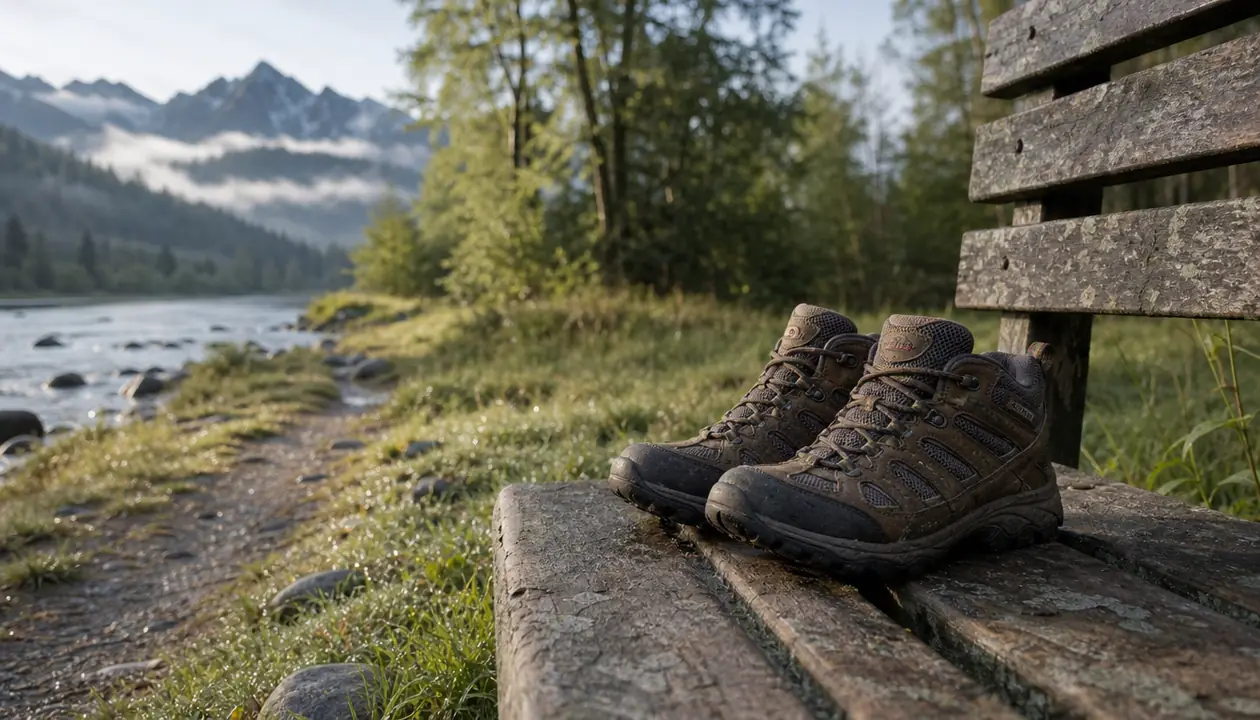
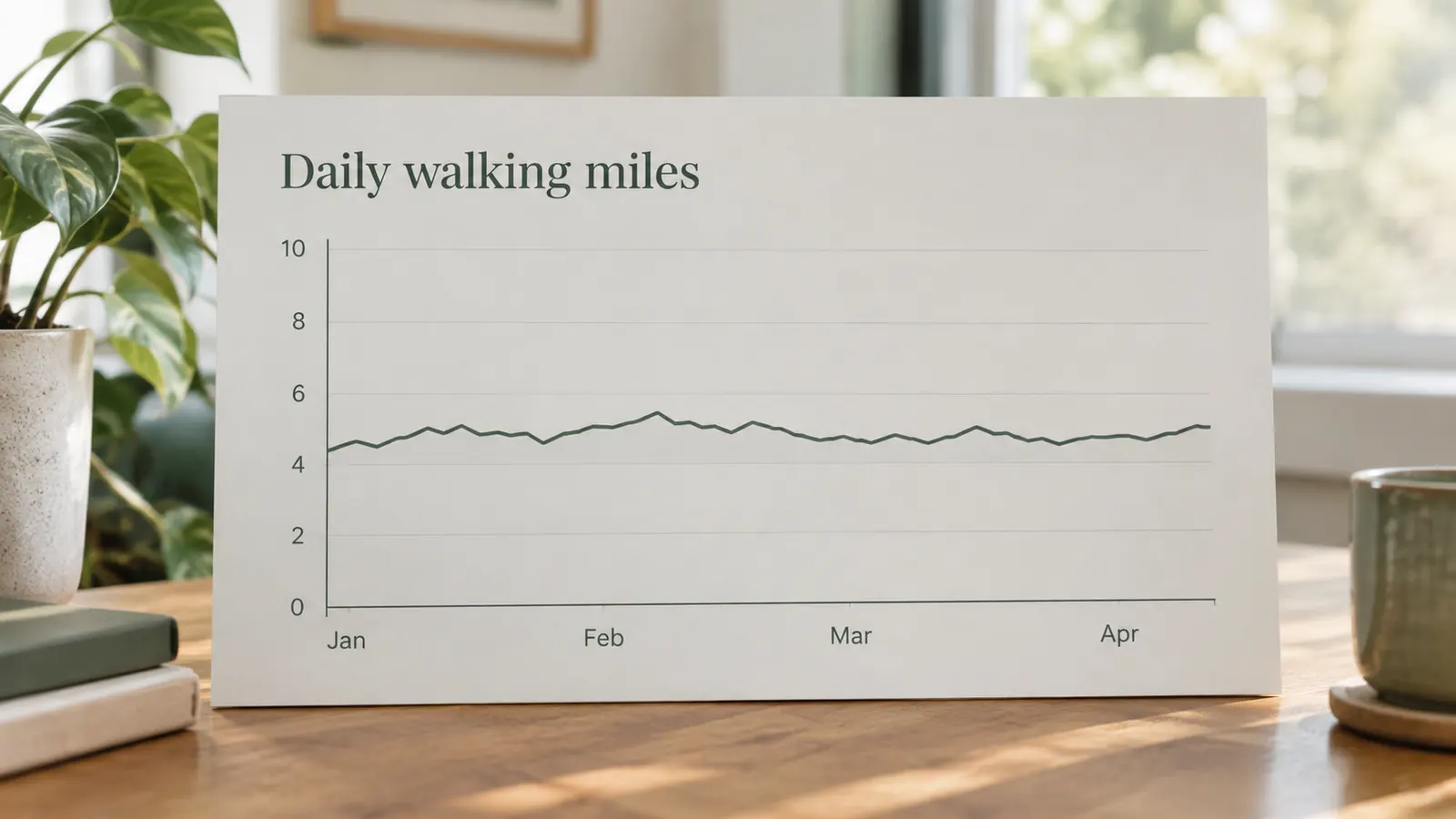
I retired from school nursing two years ago and told myself I would walk every single day. Some mornings that is easier than others, especially in a Bend winter. But Juniper, my 45-pound Australian shepherd mix, has her own opinion about rest days, and she usually wins. So when I decided to replace the worn trail shoes I had been using for town walks, I wanted something that could handle wet grass, gravel paths, and the occasional muddy stretch without making my knees complain. The Merrell Moab 3 Waterproof has been on my feet for four months now, and I have a lot of specific thoughts about it.
I am not a thru-hiker and I do not pretend to be one. I walk four to six miles most days, mostly on the river paths through town and easy trails in the Cascades on weekends. That is the use case I tested these shoes for, and it is the use case I can honestly report on.
The Quick Verdict
The Merrell Moab 3 Waterproof is a comfortable, capable everyday walking and light hiking shoe that handles wet weather well. It is not the lightest or the most aggressive trail shoe, but for daily miles on mixed surfaces it has been quietly excellent.
Amazon Check Today's Price →Daily miles, dry feet, happy dog
After four months of river-path mornings and weekend trail miles, the Merrell Moab 3 Waterproof is the shoe I reach for first. Check today's price on Amazon and see if they fit your routine.
Amazon Check Today's Price on Amazon →How I've Used It
I bought these in early fall, right before the weather turned. My routine has been the same since: Juniper and I hit the river path most mornings for three to four miles, and on weekends I drive my small SUV to a trailhead for a longer loop. That means these shoes have seen dry gravel, wet pavement, mud, pine needles, and more than a few puddles that Juniper dragged me through.
I wear a women's 9.5 and ordered my usual size. They fit true to size for me, with enough room in the toe box that my toes never felt pinched on the downhill stretches. I have worn them with both thin and medium-weight socks, and the fit worked with either. The first morning I wore them, I walked the full three-mile loop without a single hot spot, which has never happened to me with a new pair of shoes before.
The waterproof membrane has been the feature I think about most. Bend mornings are often damp, and I have stepped through plenty of shallow puddles and wet grass without wet socks. One morning in late October, Juniper found a puddle she loved and splashed through it for a full block, and my feet stayed dry the whole way home. I have not tested them in a full creek crossing, and I would not expect any low-cut shoe to keep water out if you submerge it. For the rain and puddle conditions I actually walk in, they have done their job.
Comfort and Fit Over the Long Haul
The first thing I noticed was the cushioning. The Merrell Moab 3 has a thick midsole that absorbs impact well, and for someone with knee concerns that matters. I noticed the difference most on the paved sections of my route, where harder shoes used to send a jolt up through my legs. These feel softer underfoot without feeling mushy. On a six-mile loop in early November, my knees felt the same at mile five as they did at mile one, which is not something I could say about the shoes I wore before.
The insole is removable, which I appreciate because I can swap in my own orthotic if my feet are feeling particular. The heel collar is padded and did not rub, even on the first few walks when I was still breaking them in. I did not experience the blister phase that I have had with other new shoes. The tongue is padded too, and the laces sit flat across the top of my foot without digging in, which was a problem I had with a pair of trail runners a few years back.
One honest note: these shoes run a little warm. The waterproof lining that keeps water out also traps heat, and on the warmer afternoons we had in early fall, my feet felt toastier than they would in a breathable mesh shoe. For me that is a fair trade for dry feet in the rain, but it is worth knowing if you walk in a hot climate. On the two warmest days we had in September, I switched to a lighter pair for the afternoon walk and saved the Merrell shoes for the next damp morning.
Traction and Stability on Mixed Surfaces
The outsole has a grippy lug pattern that has handled everything I have thrown at it. On dry gravel I felt planted. On wet pavement, which can be slicker than people expect, I never felt the shoe slip. On muddy sections of the trail, the lugs shed mud well enough that I did not feel like I was wearing clogs by the end of the walk. There was one stretch in November where the path had turned to slick mud after three days of rain, and I was the only walker on that section who did not have to slow to a shuffle.
The stability has been the bigger surprise. The shoe has a wide base and a firm heel counter, and I noticed it most on uneven ground. When Juniper lunges after a deer, which she still does despite my best efforts, I have to plant my feet quickly. These shoes give me a solid platform to do that. I have not rolled an ankle in them, and I have come close in other shoes on the same trails. One morning a deer came out of the brush about twenty feet ahead of us, and Juniper took off so fast I had to brace hard. The Merrell shoes held me steady, and I finished the walk without a sore ankle.
That said, these are not mountain boots. On steep, loose, rocky descents I would want more ankle support and a stiffer sole. For the easy-to-moderate trails I walk, they are more than enough. For a serious alpine route, I would look elsewhere. I know my limits, and I know the limits of a low-cut hiking shoe, and the Merrell Moab 3 sits right at the edge of what I need.
Durability After Four Months
I have put roughly 400 miles on these shoes, and the wear is honestly better than I expected. The outsole lugs show some rounding at the heel, which is normal for any shoe, but the tread depth is still there. The upper has no tears, the stitching is intact, and the waterproof membrane still works. I checked the soles with a ruler last week, and the deepest lugs still measure about a quarter inch, which surprised me after a wet fall of walking on pavement and gravel.
The area that shows the most wear is the heel lining. I tend to slide my foot when I take shoes off, and the padding there is starting to look a little flattened. It has not affected comfort, but it is the first thing I would expect to wear out. The laces have held up well, which is not something I take for granted. They stay tied through a full walk, and I have not had to replace them. The eyelets are sturdy and have not pulled or deformed, even though I tend to cinch them a little tighter on the downhill sections.
I have also put these shoes through more than just walking. I have worn them to the farmers market on Saturday mornings, on a short trip to the coast where we walked a wet beach trail, and on a day when I spent four hours on my feet helping a friend pack up her kitchen. They have held up to all of it, and they still look presentable enough to wear into a store without feeling like I am wearing my yard shoes.
After roughly 400 miles of daily walks, the outsole still has tread, the upper has no tears, and my feet have stayed dry through a whole Oregon fall.
What I'd Change
If I could change one thing, it would be the weight. These are not heavy shoes, but they are not light either. On a three-mile morning walk I do not notice it. On a six-mile weekend loop, I am aware that I am carrying a little extra shoe. If you want a featherweight shoe for fast miles, this is not it. I weighed them on my kitchen scale out of curiosity, and they came in heavier than the trail runners I used to wear, which matches how they feel on the longer loops.
I would also like a touch more breathability. As I mentioned, the waterproof lining makes these warm. Merrell makes a non-waterproof version of the Moab 3, and if you walk in a dry climate or mostly in summer, that might be the better pick. For me, in Oregon, the waterproof version is the right call most of the year. I have thought about buying the non-waterproof pair for summer, but I have not done it yet, because the waterproof pair has been good enough that I keep reaching for it anyway.
What I Liked
- Comfortable cushioning that has been kind to my knees on paved sections
- Waterproof membrane kept my feet dry through a wet Oregon fall
- Grippy outsole that handles gravel, wet pavement, and mud well
- Stable platform that helps when my dog lunges after deer
- True to size with a roomy toe box and no break-in blisters
- Removable insole for people who use their own orthotics
Where It Falls Short
- Runs warm in hot weather due to the waterproof lining
- Heavier than lighter trail shoes, noticeable on longer walks
- Not enough ankle support for steep, rocky, off-trail terrain
- Heel lining shows early flattening from normal use
Who This Is For
The Merrell Moab 3 Waterproof is for the person who walks most days, in real weather, on a mix of pavement and easy trail. It is for the person who wants one pair of shoes that works for the morning river path and the weekend trailhead without thinking about it. It is for the person who has knee concerns and wants cushioning, who walks in a wet climate and wants dry feet, and who values stability over the lightest possible shoe.
If that sounds like you, and you walk the kind of miles I do, these are worth a serious look. They have been the most dependable piece of my daily routine for four months. I reach for them on damp mornings without checking the forecast first, and that kind of trust is hard to put a number on.
Who Should Skip It
Skip the Merrell Moab 3 Waterproof if you walk mostly in hot, dry conditions, because the waterproof lining will make your feet warm. Skip it if you want a very light shoe for fast miles, because there are lighter options. And skip it if your idea of a hike involves steep, rocky, off-trail terrain, because you will want more ankle support and a stiffer sole.
For everyone else, these shoes have been a quiet win. They are not flashy, they are not the lightest, and they will not turn a reluctant walker into a thru-hiker. But they will get you out the door on a damp morning, keep your feet dry, and bring you and your dog home comfortable. That is exactly what I needed.
Socks, Laces and the Small Adjustments
A shoe review is only half the story without the socks, so here is what I paired with the Merrell Moab 3. In summer I wore thin merino hiking socks, and in fall I moved to medium cushion merino. Cotton socks were a mistake on my first long walk in these. My feet got damp from sweat inside the waterproof lining, and I felt a warm spot forming on my left heel by mile three. With merino the same walk was fine. A waterproof shoe keeps water out, but it also keeps some heat in, so the sock does more work than you might expect.
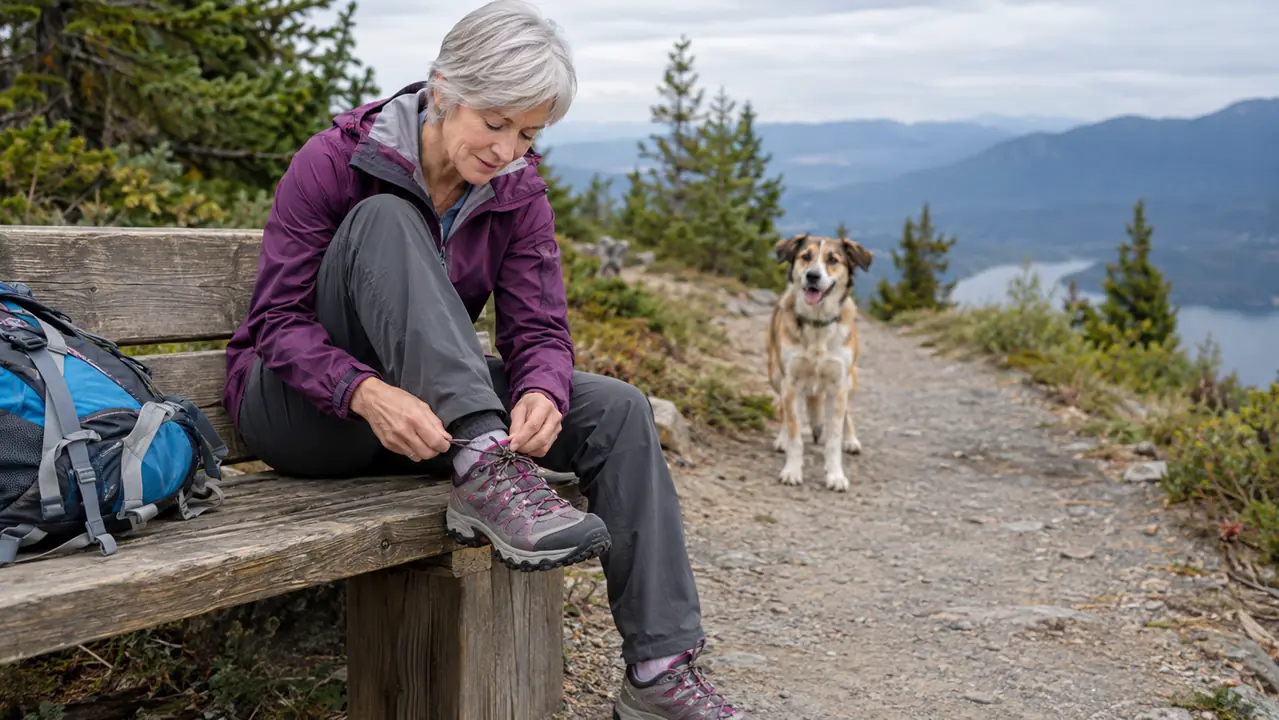
I also changed how I laced them. For the paved river path I lace them evenly and fairly snug. For the weekend trails with a long descent, I use a simple lock at the top two eyelets so my heel stays back in the shoe and my toes do not slide forward on the way down. That small change took care of a sore big toe I had on the first few steep walks. It costs nothing and takes ten seconds at the trailhead.
Four months in, still my first pick
The Merrell Moab 3 Waterproof has earned its place in my daily rotation. If you walk in wet weather and want a comfortable, stable shoe for mixed surfaces, check today's price on Amazon.
Amazon Check Today's Price on Amazon →