
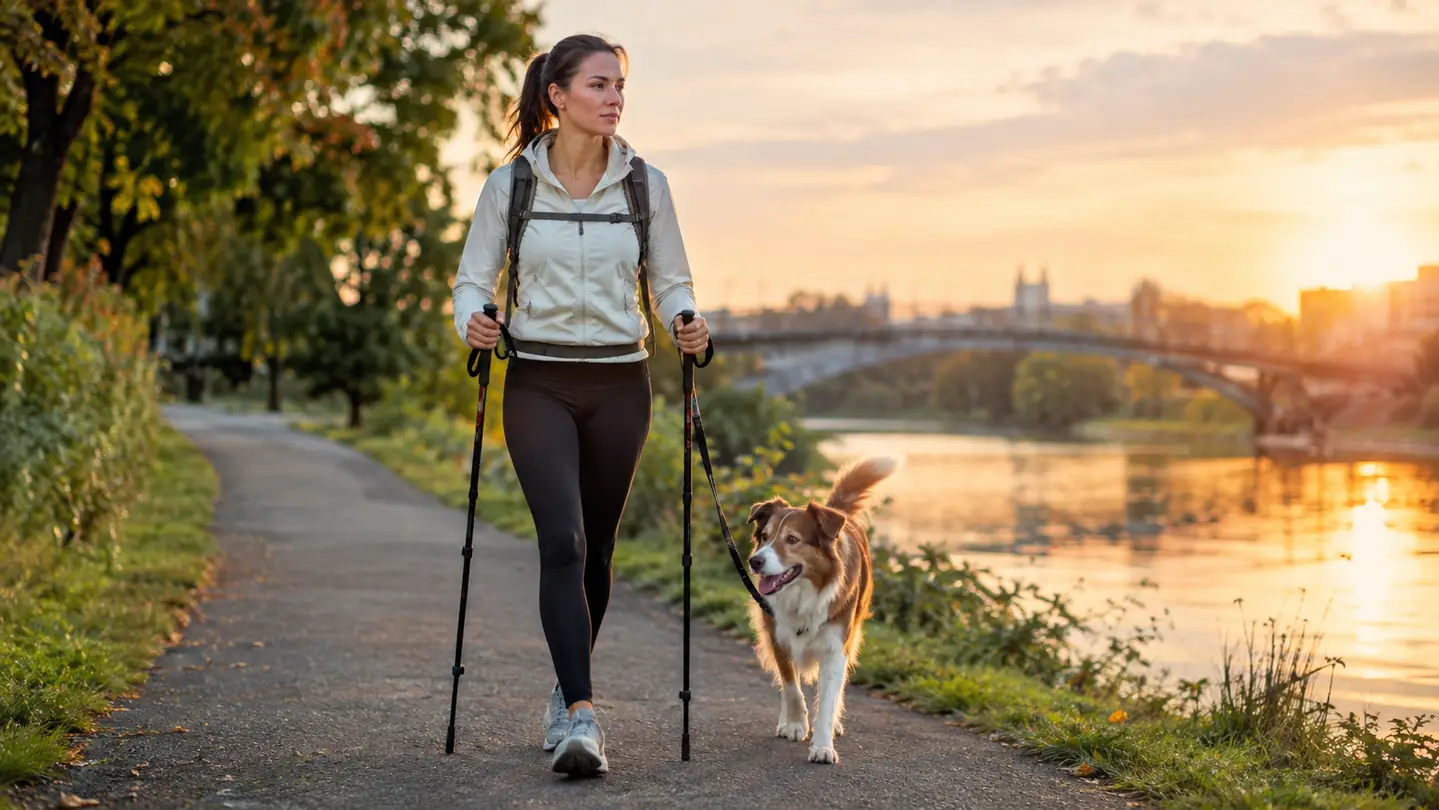
Six months ago, I almost gave up my morning walk. Not because I was tired of the route. The route is the best part of my day: down the river path, past the cottonwoods, over the footbridge, and back before the heat settles in. The problem was my knees. Every step down the slight hill by the bridge reminded me I was sixty-one and not thirty-one.
I tried the usual things first. Better shoes, more stretching, a shorter loop on the days that hurt. They helped a little, but not enough. Then a friend lent me her spare trekking poles, and I took them out on a Tuesday morning mostly to be polite. I am not a gear person. I buy good shoes and a warm coat and that is about it. So borrowing the poles felt like a small surrender. By the end of that walk, I had ordered my own pair of TrailBuddy trekking poles. It was not love at first step, but it was close.
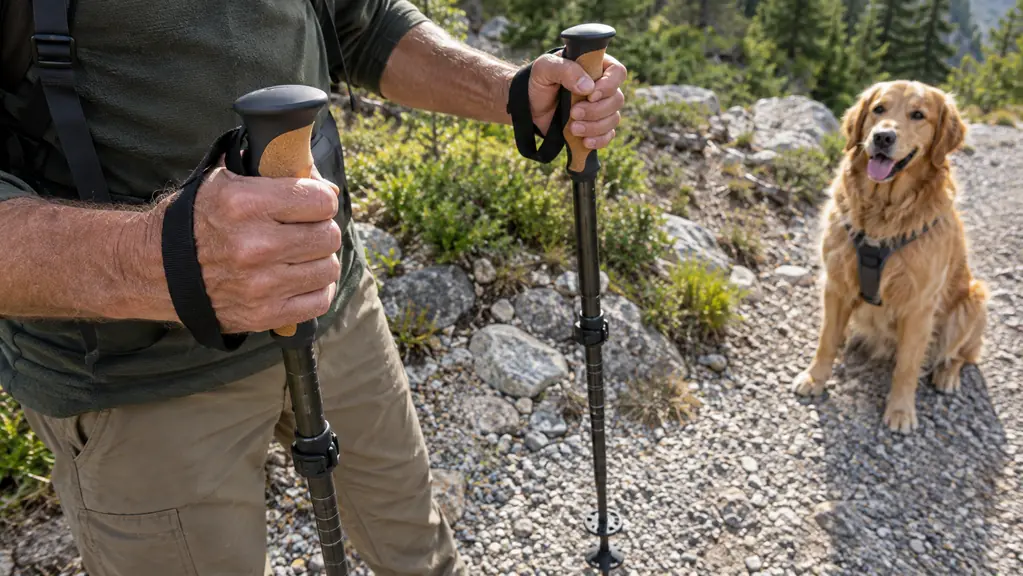
That is the part nobody tells you. Trekking poles look like gear for serious mountain hikers, not for a retired school nurse on a flat river path. But the first time I used them, the difference showed up in my shoulders and my knees at the same time. The poles gave me something to push against, and that push took weight off the joints that had been doing all the work. That push is hard to explain until you feel it. It is like having a handrail on both sides of the path.
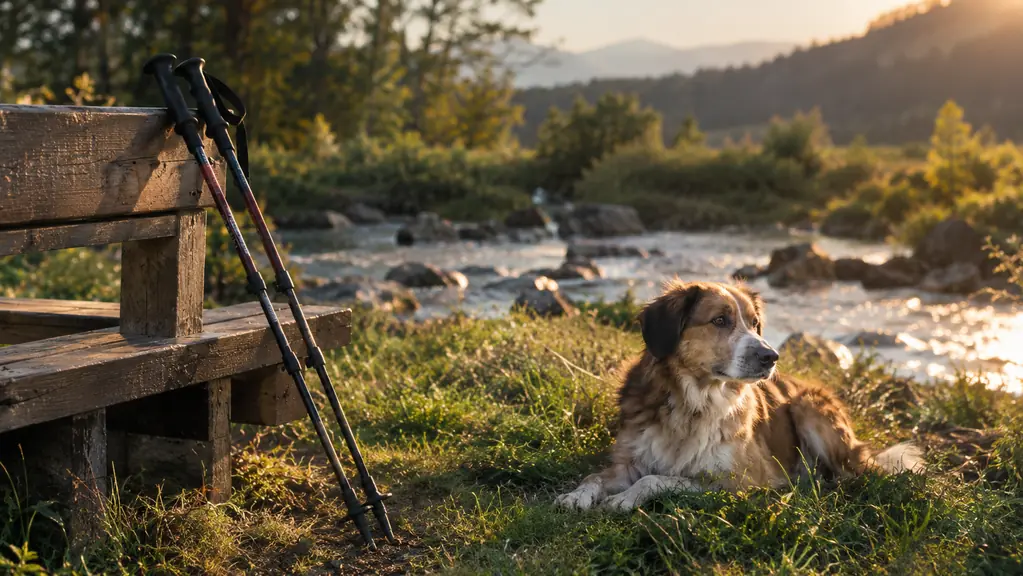
Juniper, my Australian shepherd mix, was suspicious of them at first. She is seven, about forty-five pounds, and she has opinions about everything I carry. She sniffed the baskets, stepped around the tips, and then decided they were fine as long as they did not interfere with her real job of checking every bush for deer. The first mile she kept looking back at me as if I had forgotten how to walk. Since I cannot read her mind, I will translate: the poles earned her approval.
I want to be honest about what these poles did not do. They did not make me faster. They did not turn a walk into a workout, because I did not want a workout. They made the walk steadier and easier, and that was enough. Some days, especially the days after rain when the path is slick, that steadiness is the whole point.
The TrailBuddy poles are not the fanciest gear I own. They are aluminum, collapsible, and a little plain. I chose them for the same reason I chose my walking shoes: they do the job without demanding attention. Six months in, they still do.
The first time I used the poles, the difference showed up in my shoulders and my knees at the same time.
Try them on the walk you already take
The TrailBuddy trekking poles are collapsible, lightweight, and easy to adjust. If you want to try them on your own route, check today's price on Amazon.
Amazon Check Today's Price on Amazon →The poles are lighter than I expected. I can hold both in one hand while I open the door of my small SUV, and that matters more than it sounds. They collapse down small, so they fit in the back without me having to rearrange anything. They have survived being dropped on pavement, leaned against the car, and left in a hot trunk on a July afternoon.
Adjusting them takes about ten seconds. Twist, set the length, twist again. I set mine so my elbows sit at a comfortable angle, and I rarely change it. The first time I used them, I had them too long. My shoulders ached by the end of the walk, and I nearly wrote them off. Then I shortened them, and the difference was night and day. That first too-long experiment taught me the most important thing I know about poles: start short and go up from there.
On the river path, I use them more than I expected on flat ground. They give me a rhythm. Step, plant, push, step. It sounds mechanical, but it is actually calming. Juniper settles into the same rhythm beside me, and we cover the same four miles with less fuss. On mornings when she spots a deer and lunges, the poles help me keep my footing. On windy days they give me something to hold onto, which sounds small until you need it.
On weekend trails, they earn their keep. There is a short rocky section on one of my favorite routes where I used to slow down and pick my footing carefully. With the TrailBuddy poles, I keep a steady pace and my knees stop announcing every rock. They are not a cure-all. They are just useful. Some days they are the most useful thing I carry.
The downsides are small but worth knowing. The baskets can snag on low brush if you let them drag. The twist locks need a firm hand, and if you have arthritis in your hands, you may want to ask someone to loosen them once before you go out. And you will get looks from people who think poles are only for mountains. Let them look. My knees and I know better. None of that has made me want to leave them at home.
What I'd Tell You If We Were Sitting at My Kitchen Table
I would tell you not to wait until your knees force you to change your walk. I would tell you to borrow a pair before you buy, because length matters and so does your own stride. And I would tell you that the TrailBuddy poles are a reasonable place to start. They are collapsible, easy to adjust, and they have held up for six months of daily use without loosening or bending. If they are not right for you, you will find that out on a walk, not from a brochure. That is the best way to learn anything about gear. And if you already walk, you already know whether you need them. The poles just give you a reason to keep going.
Start with the walk you already take
The TrailBuddy poles I use are collapsible, lightweight, and easy to keep in the car. Check today's price on Amazon and decide for yourself.
Amazon Check Today's Price on Amazon →